
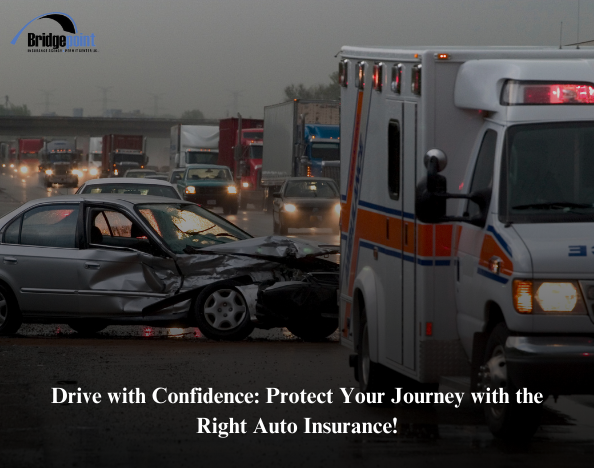
Auto insurance is more than just a legal requirement—it’s a vital safeguard against unexpected financial burdens. Whether it’s an accident, theft, or natural disaster, having the right coverage ensures you’re protected from costly repairs, medical bills, and legal liabilities. But with so many policy options available, how do you determine what coverage you actually need? Let’s break it down.
Why Auto Insurance Matters
Life is unpredictable, and accidents happen when you least expect them. Without proper coverage, a single accident can lead to thousands of dollars in out-of-pocket expenses. Auto insurance provides financial protection, offering coverage for property damage, medical bills, and liability costs. Additionally, it gives you peace of mind knowing you’re prepared for the unexpected.
Essential Types of Auto Insurance Coverage
1. Liability Insurance (Mandatory in Most States)
- Covers damages and medical expenses for others if you cause an accident.
- Includes Bodily Injury Liability (BIL) and Property Damage Liability (PDL).
- Protects you from lawsuits if the injured party decides to sue.
2. Collision Coverage
- Pays for repairs to your car after a collision, regardless of fault.
- Ideal for newer vehicles or those with outstanding loans.
- Helps cover replacement costs if your car is totaled.
3. Comprehensive Coverage
- Covers non-collision-related damage, including:
- Theft
- Vandalism
- Natural disasters (hail, floods, fire)
- Animal collisions
- Essential if you want full protection beyond accidents.
4. Uninsured/Underinsured Motorist Coverage (UM/UIM)
- Covers your expenses if you’re in an accident caused by a driver with no insurance or insufficient coverage.
- Helps with medical bills, lost wages, and even pain and suffering.
- A crucial add-on since many drivers carry only the minimum insurance required by law.
5. Medical Payments (MedPay) or Personal Injury Protection (PIP)
- Covers medical expenses for you and your passengers, regardless of fault.
- PIP may also cover lost wages and rehabilitation costs.
- Required in some states, but highly recommended for added protection.
6. Gap Insurance
- Covers the difference between your car’s depreciated value and the amount you owe on a loan or lease.
- Ideal for new car owners who would otherwise face significant financial loss if their vehicle is totaled.
7. Roadside Assistance & Rental Reimbursement (Optional but Useful)
- Roadside assistance provides help with flat tires, dead batteries, and towing.
- Rental reimbursement covers the cost of a rental car while yours is being repaired.
How to Choose the Right Coverage for You
Not every driver needs the same level of coverage. Consider these factors when selecting your policy:
✅ State Requirements – Ensure you meet the minimum legal requirements in your state.
✅ Your Car’s Value – If your car is older, you may not need collision or comprehensive coverage.
✅ Your Driving Habits – Frequent drivers or those in high-traffic areas should opt for higher protection.
✅ Your Financial Situation – Choose a policy that balances protection with affordability.
Final Thoughts
Auto insurance isn’t just about meeting legal requirements—it’s about ensuring financial security and peace of mind. The right coverage can protect you from costly accidents, lawsuits, and unexpected events.
At [Your Company Name], we help drivers find customized insurance solutions that fit their needs and budget. Want to ensure you have the right protection? Contact us today for a free policy review and quote!