
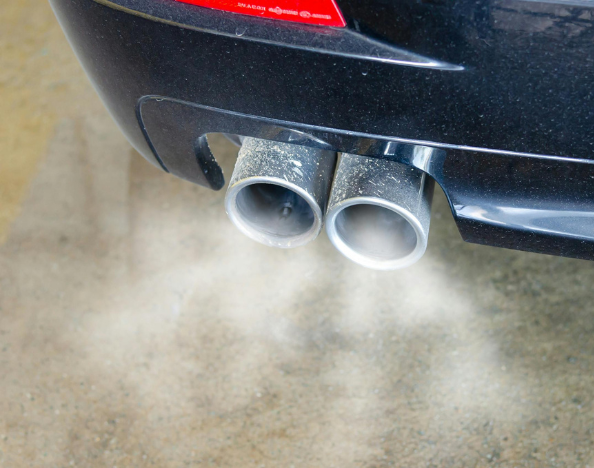
If you own a vehicle, you may be required to pass a DMV emissions test to keep it legally registered. Emission testing is designed to ensure that vehicles meet state-mandated environmental standards to reduce air pollution.
Failing an emissions test can lead to registration delays, fines, or costly repairs. This guide will cover:
What an emissions test is
Which vehicles require testing
How to prepare for an emissions test
Steps to take if a vehicle fails the test
1. What is a DMV Emissions Test?
An emissions test measures the amount of pollutants a vehicle releases into the air. The test ensures compliance with Environmental Protection Agency (EPA) and state regulations aimed at improving air quality.
During the test, technicians check for pollutants such as:
Carbon monoxide (CO) – A harmful gas produced by incomplete fuel combustion
Nitrogen oxides (NOx) – A major contributor to smog
Hydrocarbons (HC) – Unburned fuel that contributes to pollution
Particulate matter – Small particles harmful to respiratory health
2. Do All Vehicles Require an Emissions Test?
Emission testing requirements vary by state, vehicle age, and fuel type.
Vehicles That Typically Require Testing
Gasoline-powered vehicles over three to five years old
Vehicles with model years older than 1996 (varies by state)
Vehicles registered in urban or high-pollution areas
Vehicles That May Be Exempt
Fully electric vehicles
Diesel vehicles under 8,500 lbs (varies by state)
Newer vehicles (typically exempt for the first three to seven years)
Classic cars (typically 25 years or older)
To determine whether a specific vehicle requires testing, check the state’s DMV website.
3. How to Prepare for an Emissions Test
Taking the following steps before an emissions test can help improve the chances of passing:
Drive at highway speeds for at least 15 to 20 minutes before the test to warm up the catalytic converter.
Ensure there are no active check engine lights, as this often leads to automatic failure.
Use high-quality fuel or fuel additives to help clean the engine and reduce emissions.
Change the oil and replace the air filter to improve engine performance.
Make sure the gas cap is secure to prevent fuel vapor leaks.
4. What Happens If a Vehicle Fails the Emissions Test?
If a vehicle does not pass the emissions test, the owner will receive a diagnostic report explaining the reason for failure. Most states allow a grace period for repairs and a retest.
Steps to Take After Failing an Emissions Test
Review the diagnostic report provided by the testing center.
Make necessary repairs with a certified mechanic.
Retake the emissions test within the state’s allowed retest period.
Check for waiver options if repair costs exceed the state’s set limit.
5. Where to Get an Emissions Test
Emission tests are typically conducted at:
DMV-approved testing stations
Authorized auto repair shops
Select gas stations offering emissions testing services
Scheduling an emissions test in advance is recommended to avoid registration delays.
Conclusion
Understanding DMV emissions testing requirements is essential for vehicle owners to remain compliant with state laws and contribute to environmental protection. By preparing for the test and addressing potential issues in advance, vehicle owners can avoid unexpected failures and costly repairs.
Need Assistance with DMV Services?
At BridgePoint Services, we provide expert assistance with vehicle registration, title transfers, and emissions compliance to make the process easy and hassle-free.
For more information, contact us today or visit BridgePointServices.net.